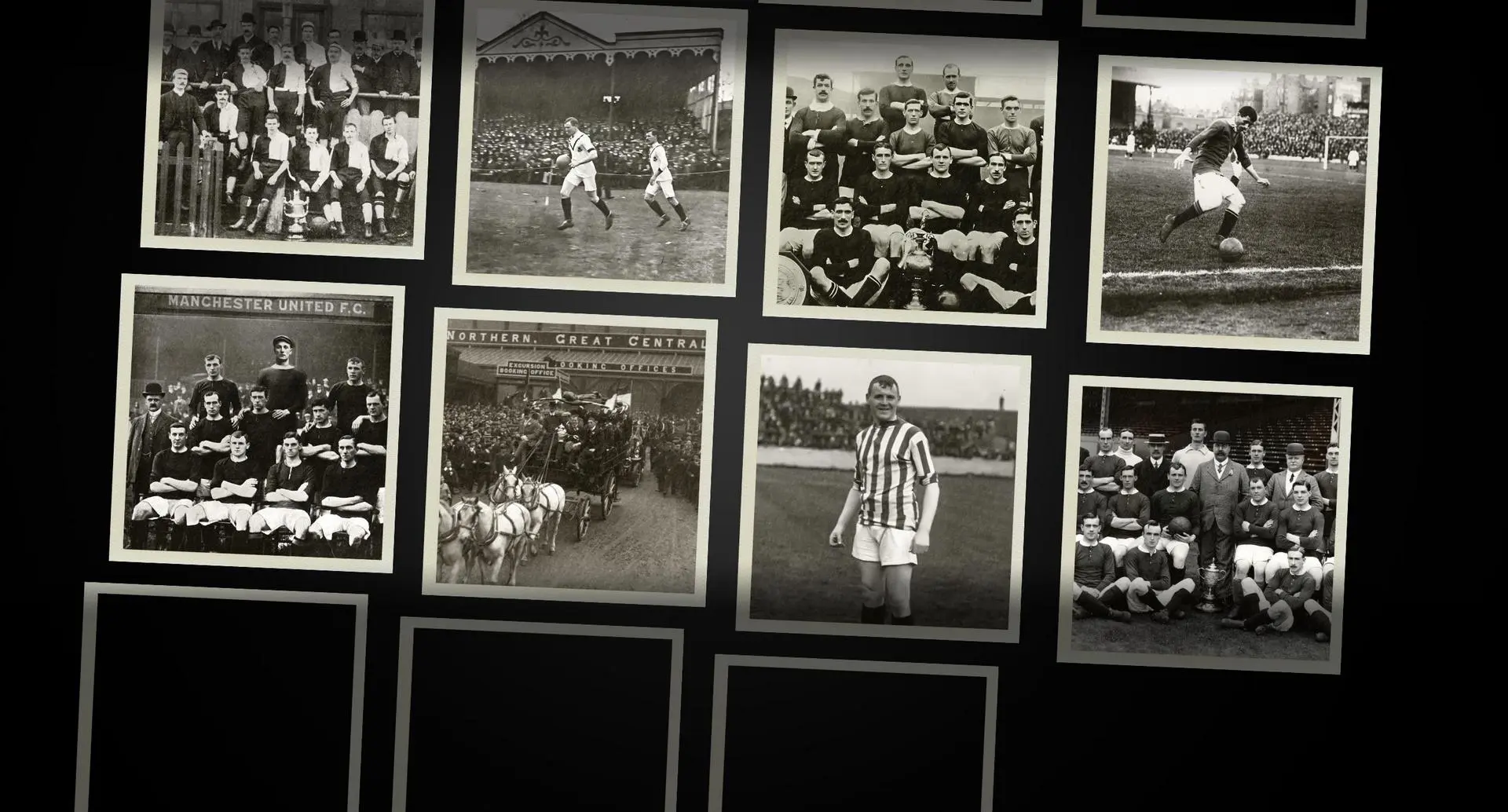
Saved from the brink in 1902, a new identity sparked a new era. Under Ernest Mangnall, early promise turned into silverware, laying the foundations for everything that followed.
맨유의 역사 | 우승 트로피, 레전드, 뮌헨 참사, 트레블
History by Decade
The incredible story of Manchester United's rich history, told decade by decade
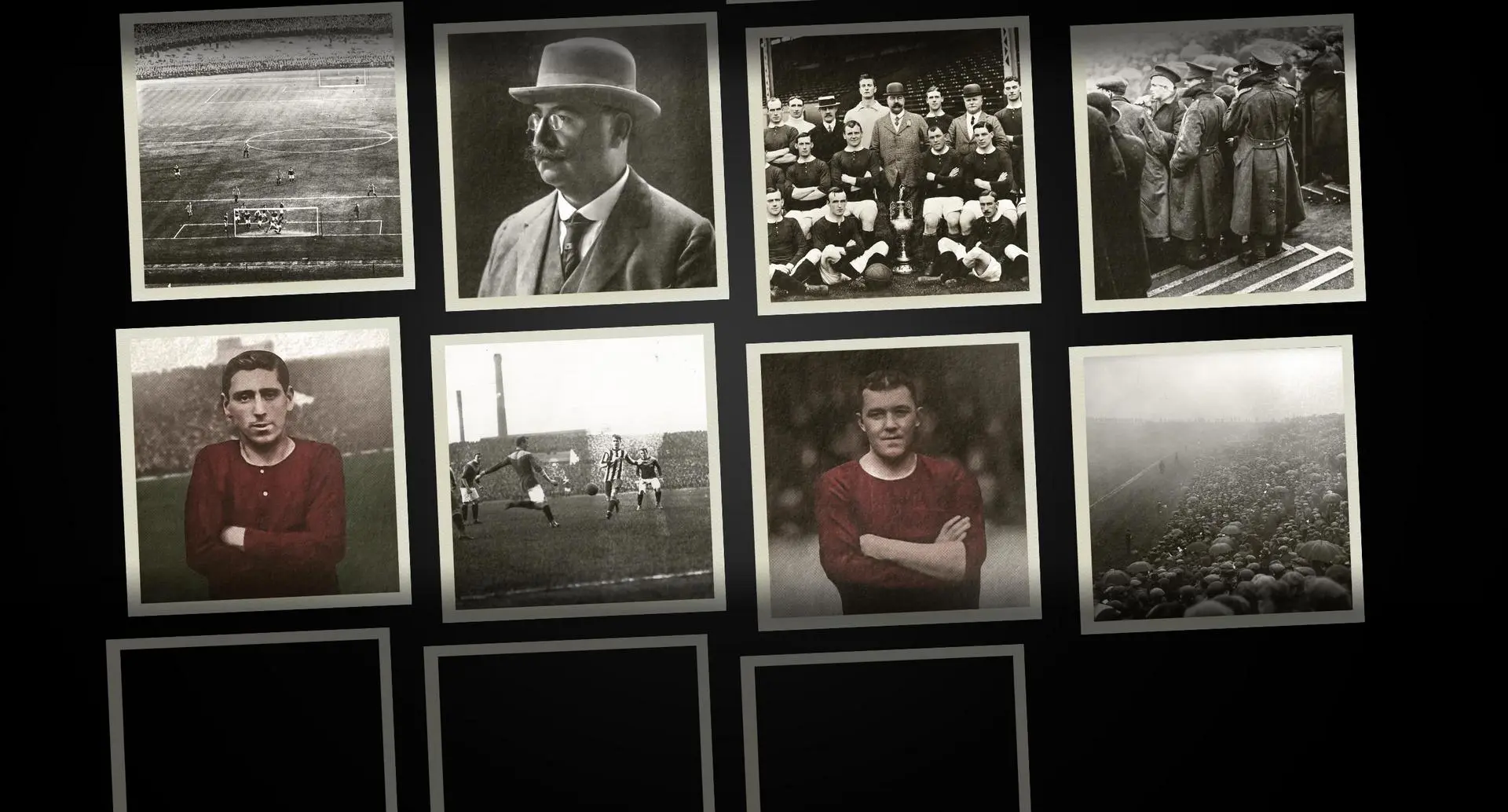
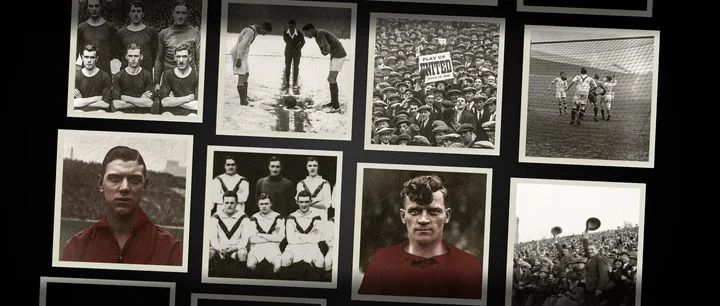
1910 to 1919
A true icon of the sporting world is born: Old Trafford enters footballing folklore as Manchester United move into a new home.
Yet while the move initially brought yet more silverware, upheaval soon followed. Early success, including that second league title, gave way to inconsistency, change and, ultimately, the disruption and devastating loss brought on by the First World War.
1920 to 1929
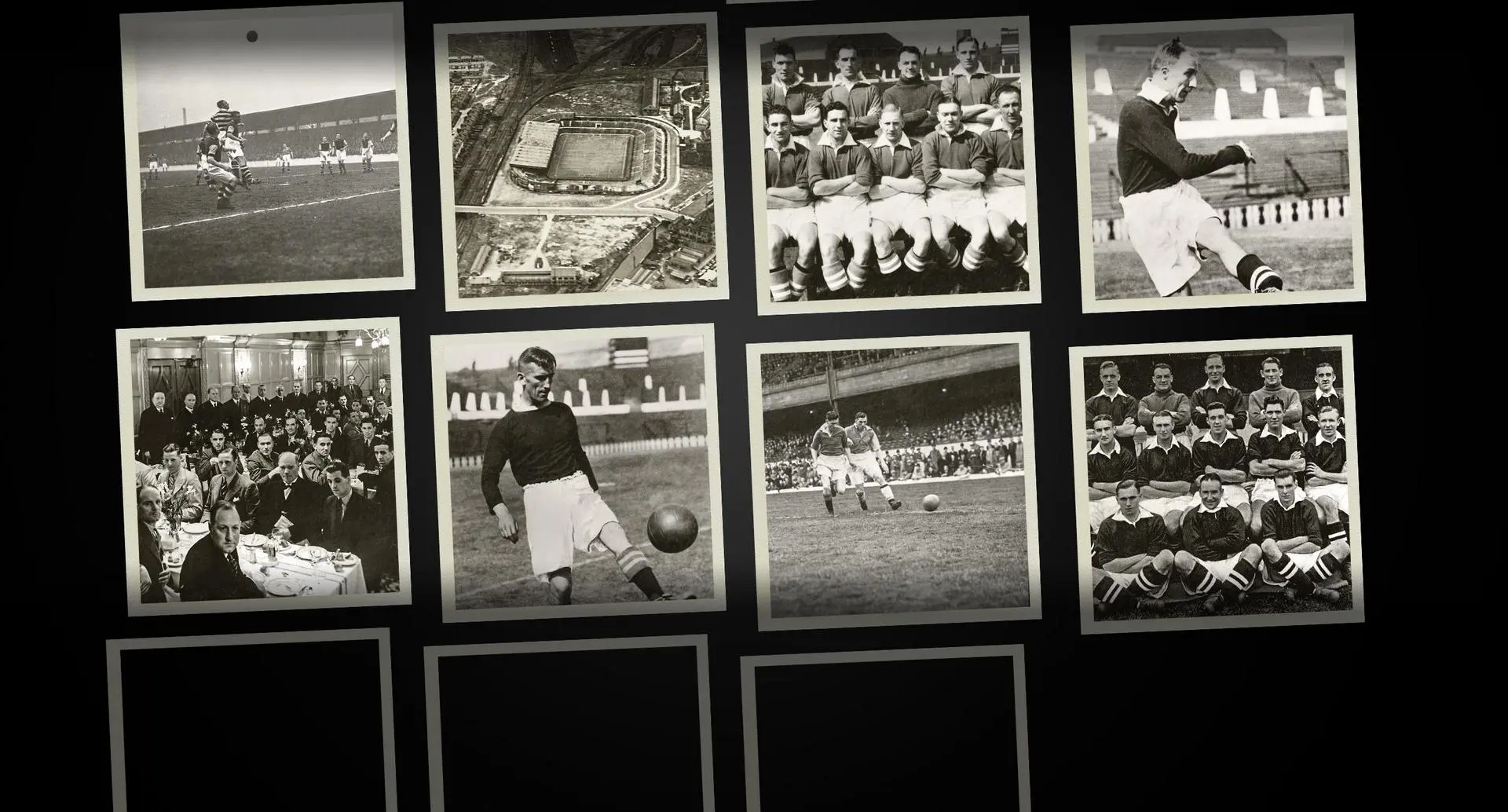
League football returned in 1919, but for Manchester United the years that followed proved uneven. New faces emerged and Joe Spence led the scoring, yet inconsistency and change defined the decade.
Relegation and recovery followed, before off-field uncertainty and managerial upheaval left the club once again searching for stability.
1930 to 1939
Manchester United's struggles of the 1920s deepened in the early 1930s, as heavy defeats, relegation and financial crisis pushed the club to the brink.
Salvation arrived through new investment, but instability remained – promotion and relegation followed in quick succession, before war once again brought football to a halt.
1940 to 1949
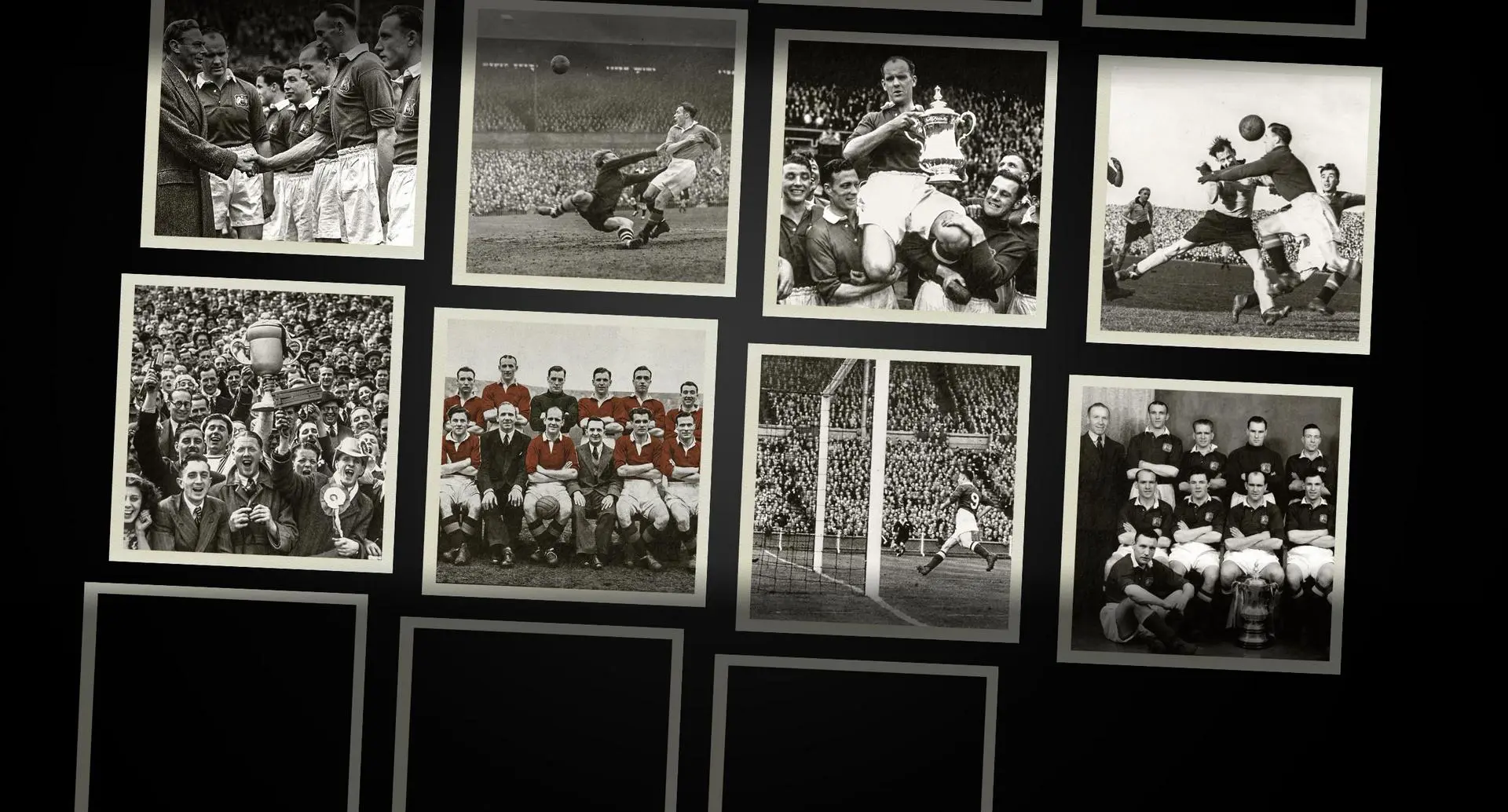
The Second World War halted football and left its mark on Old Trafford, but for Manchester United it also signalled a new beginning.
From the devastation of 1941 emerged renewed hope, driven by the arrival of Matt Busby, whose vision, alongside Jimmy Murphy, would lay the foundations for a triumphant return to the top of the sport.
1950 to 1959
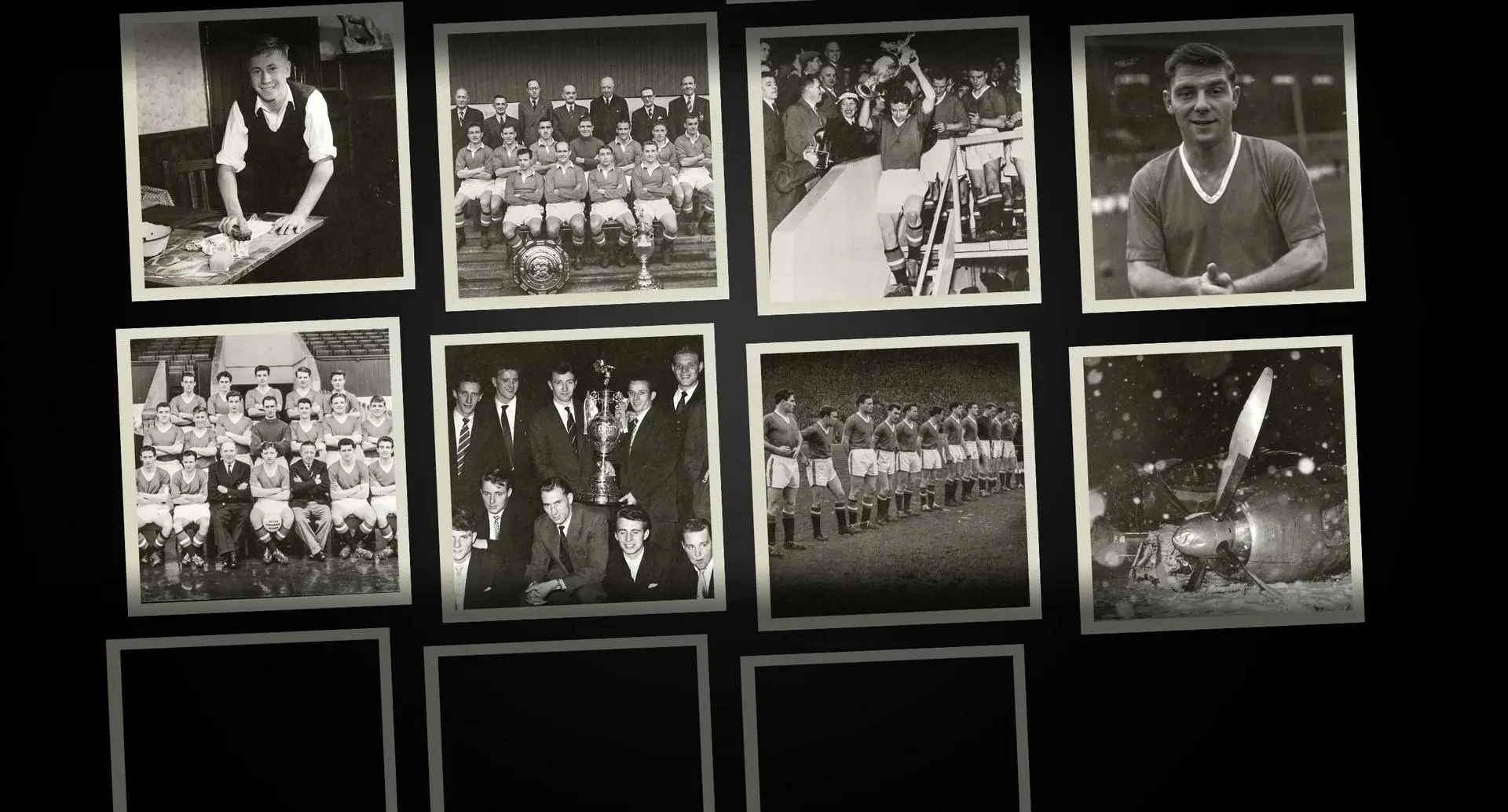
In many ways the 1950s define Manchester United more than any other decade as they brought renewal, tragedy and a resilience that shaped the club's future and its unique story.
Matt Busby’s young side, the Busby Babes, rose to win titles and capture imaginations, blending youth with star quality. But the Munich air disaster in 1958 shattered that promise, leaving the club to mourn, rebuild and begin again.
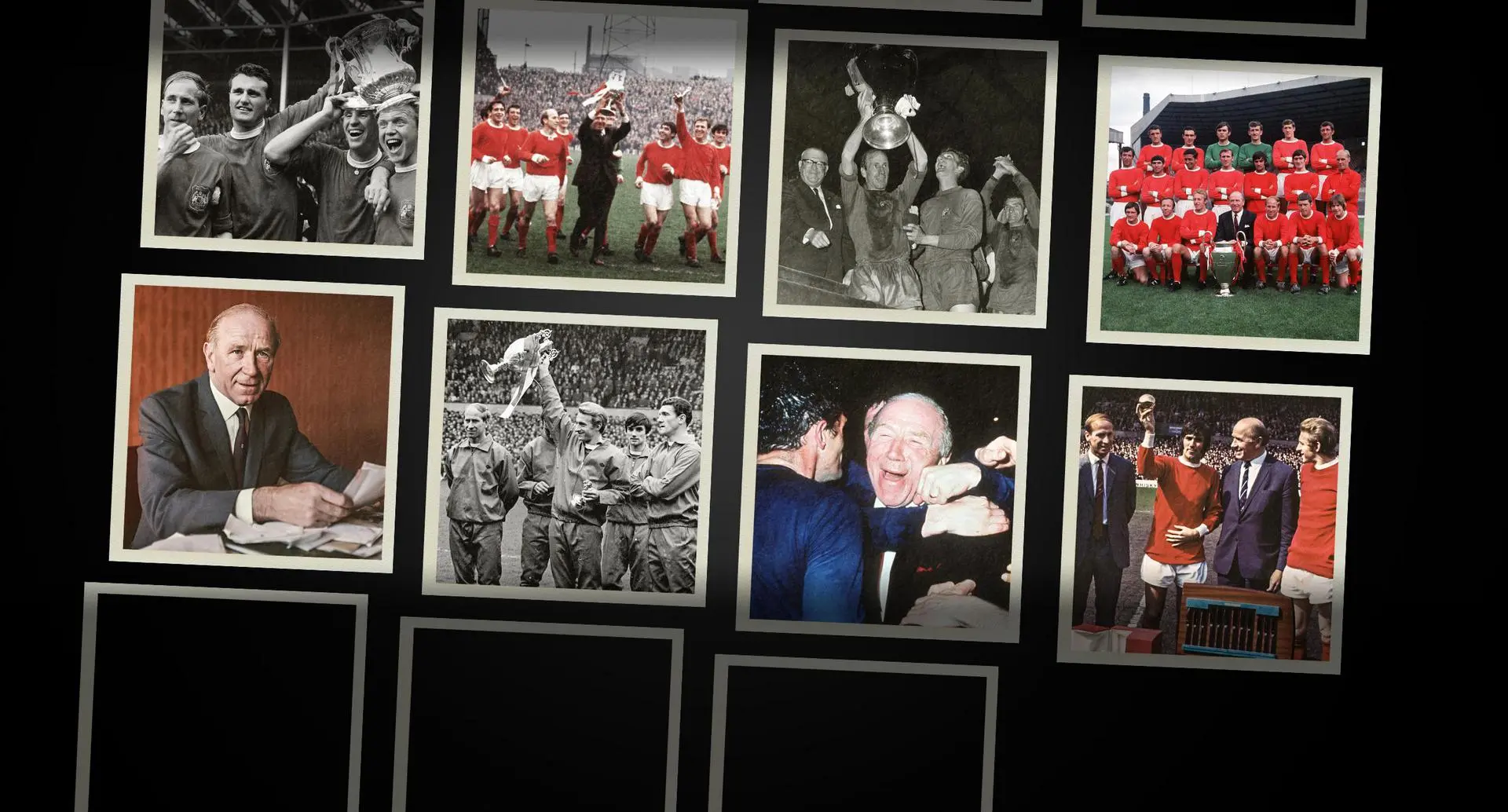
1960 to 1969
Rebuilding after Munich, Manchester United entered a new era under Matt Busby in the 1960s.
A reshaped side – featuring the Holy Trinity of Charlton, Law and Best – rose to dominance, winning titles and, ultimately, the European Cup in 1968, completing a remarkable journey from tragedy to the summit of world football.
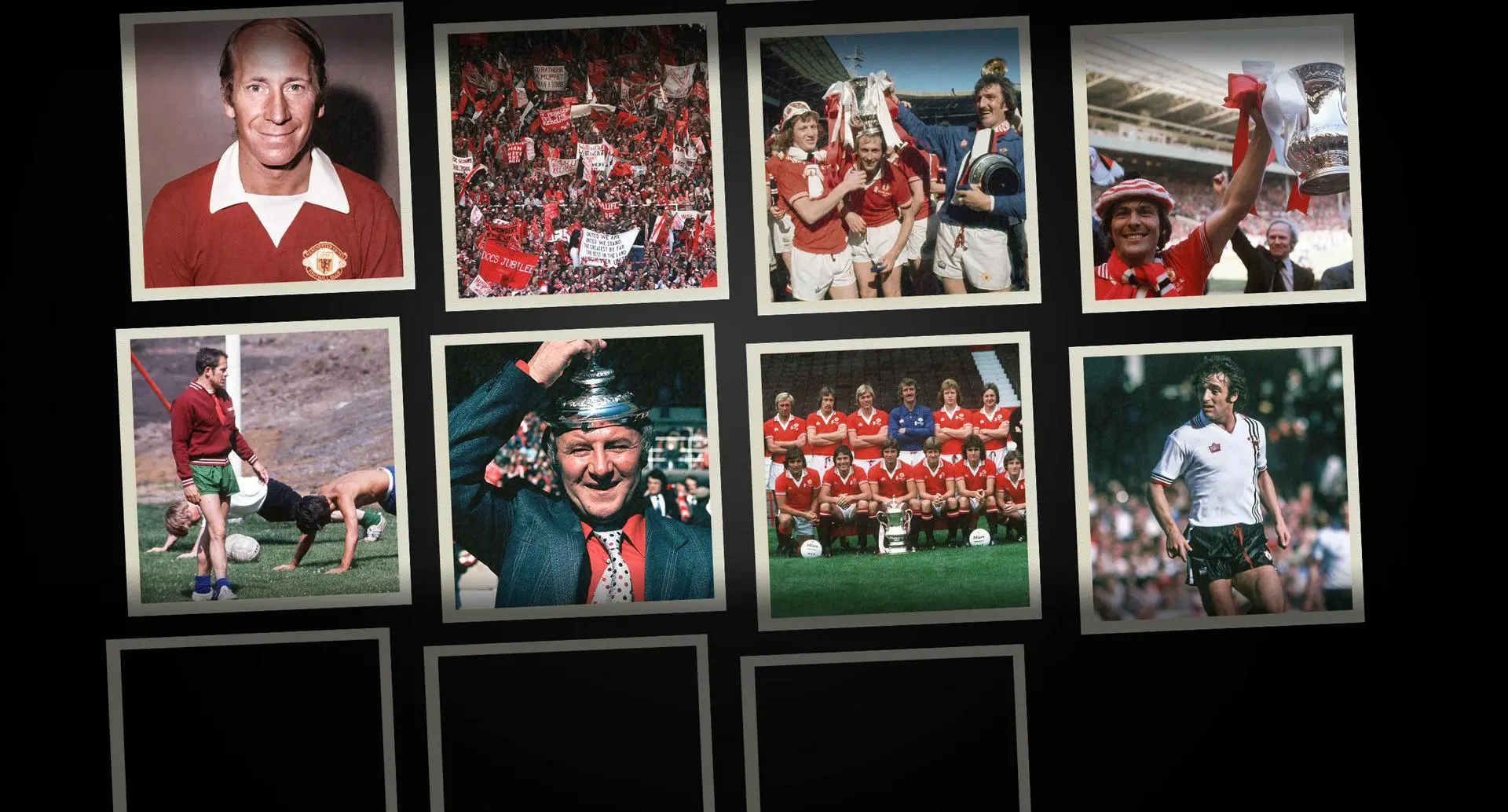
1970 to 1979
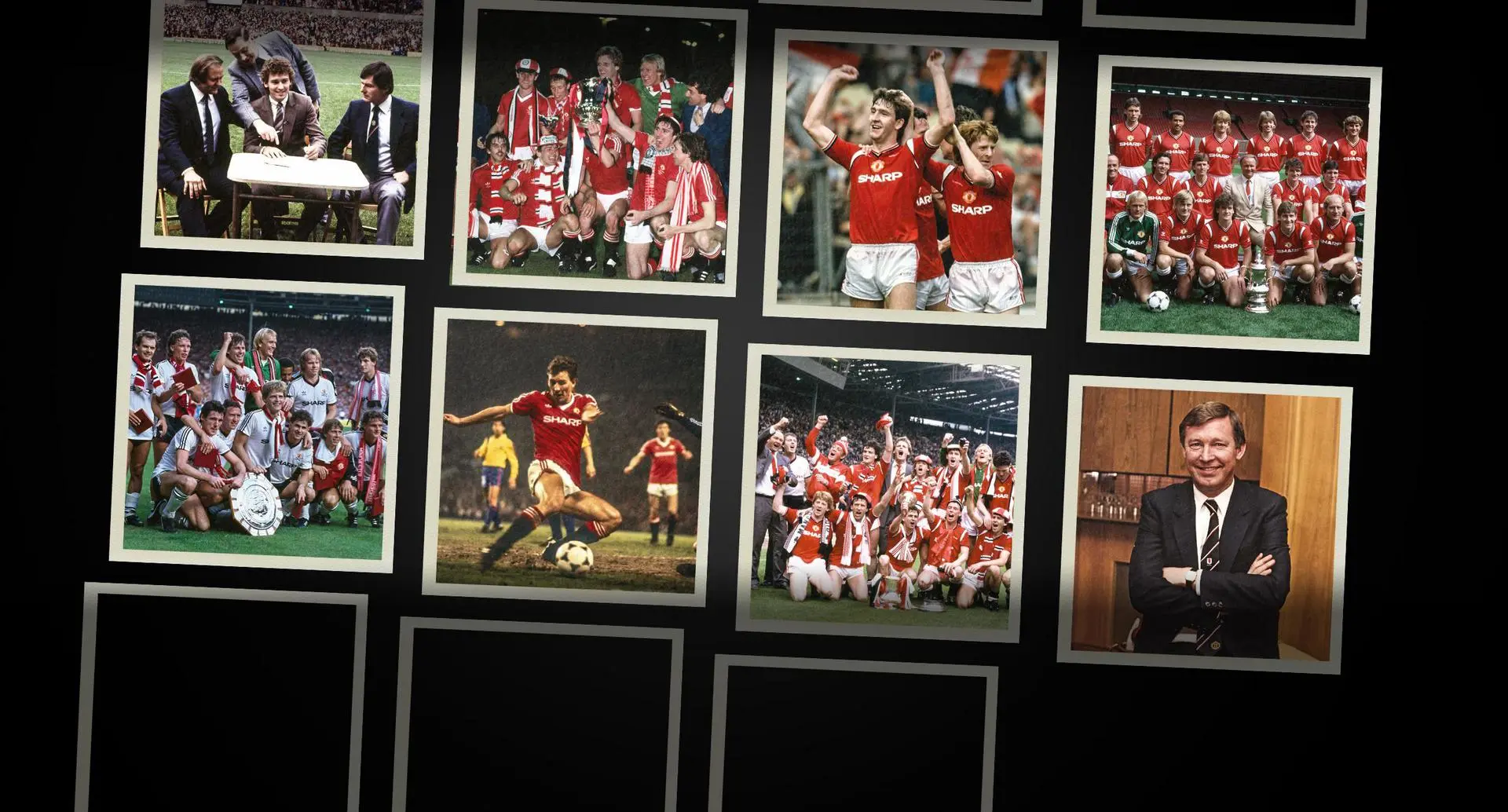
1980 to 1989
The 1980s began with promise for Manchester United, but consistency once again proved elusive.
Strong finishes and cup success under Ron Atkinson brought moments of encouragement, yet the league title remained out of reach. By the decade’s end, the arrival of Alex Ferguson signalled the start of another rebuilding effort.
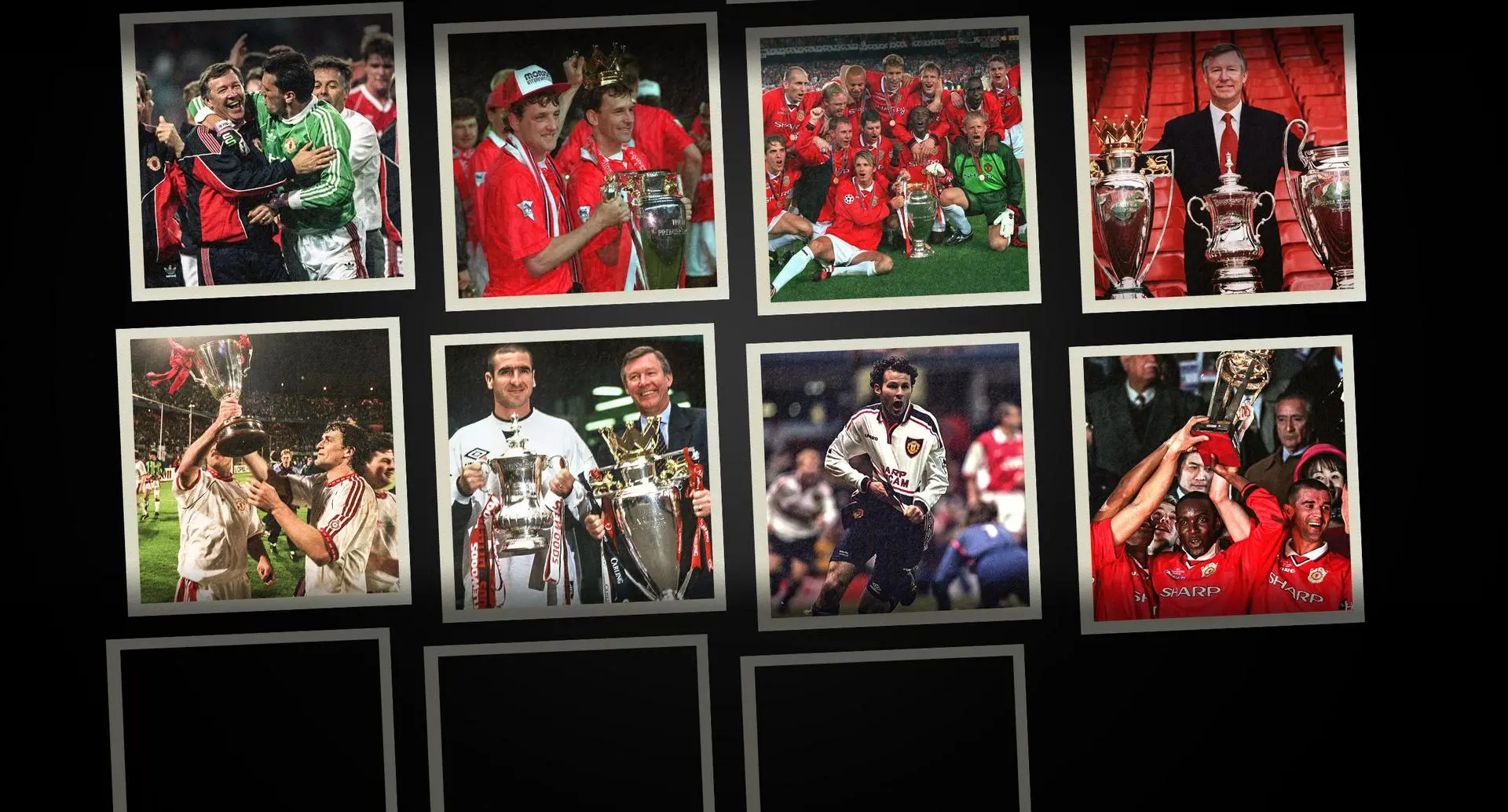
1990 to 1999
The 1990s marked a turning point for Manchester United under Alex Ferguson, proving to be arguably the most thrilling and climactic decade in the club's history.
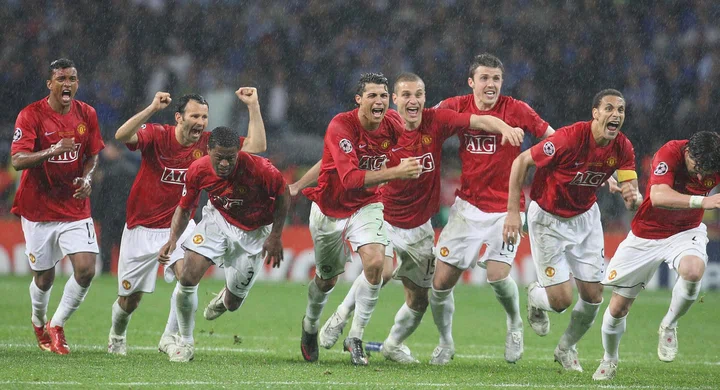
Early cup success gave way to sustained dominance and ultimately United were on top of the world by the end of the 90s. The arrival of Eric Cantona was transformative and helped end a long wait for the title, and even the sudden transitional emergence of the Class of '92 barely broke United's stride on the road to an historic Treble in 1999.
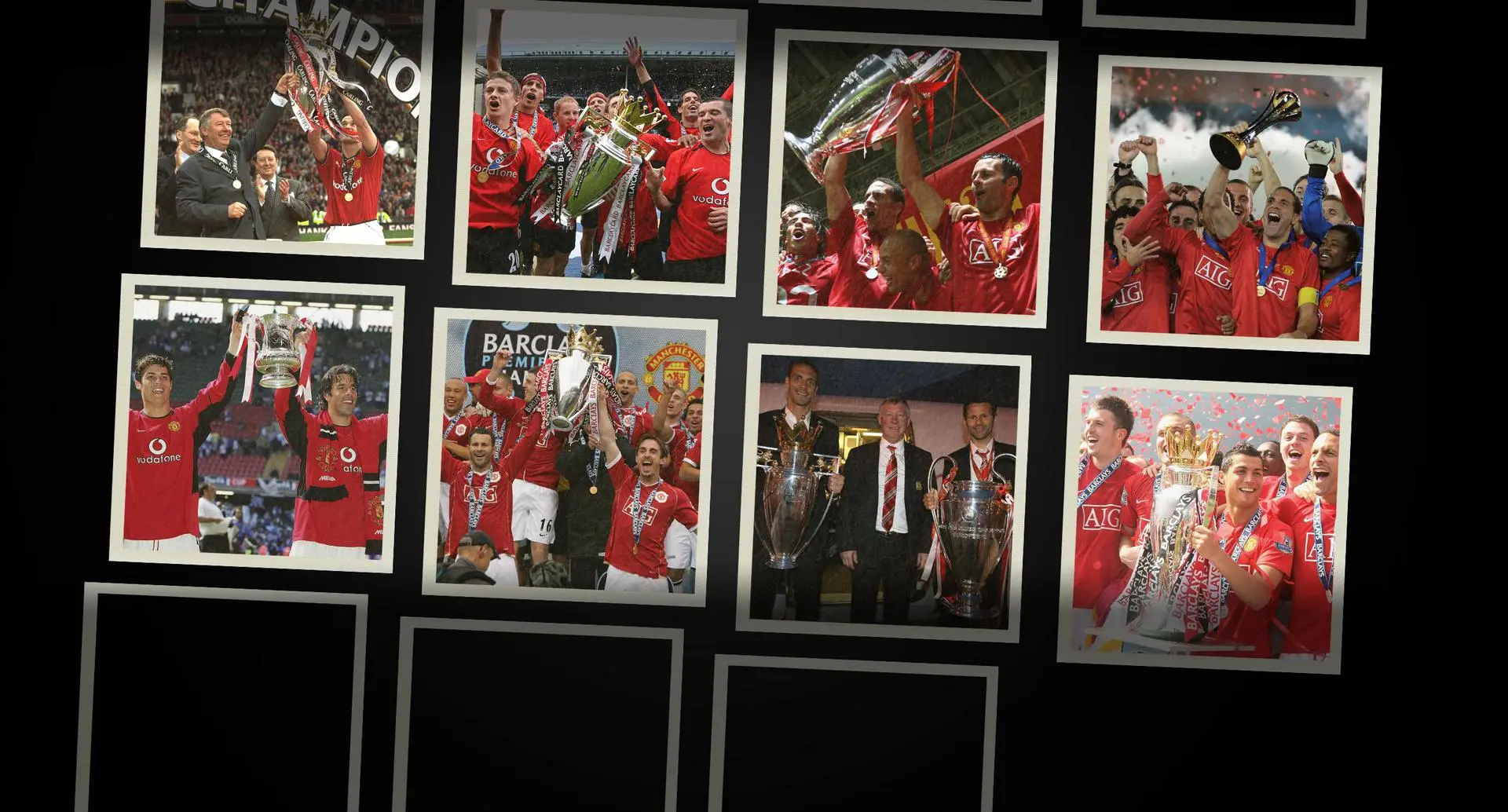
2000 – 2009
United went swaggering into the 2000s on a post-Treble high, and swiftly completed a hat-trick of Premier League titles at a canter.
Then followed a fallow period before another great Sir Alex Ferguson team emerged to dominate domestically and reach the pinnacle of European and club world football once again.
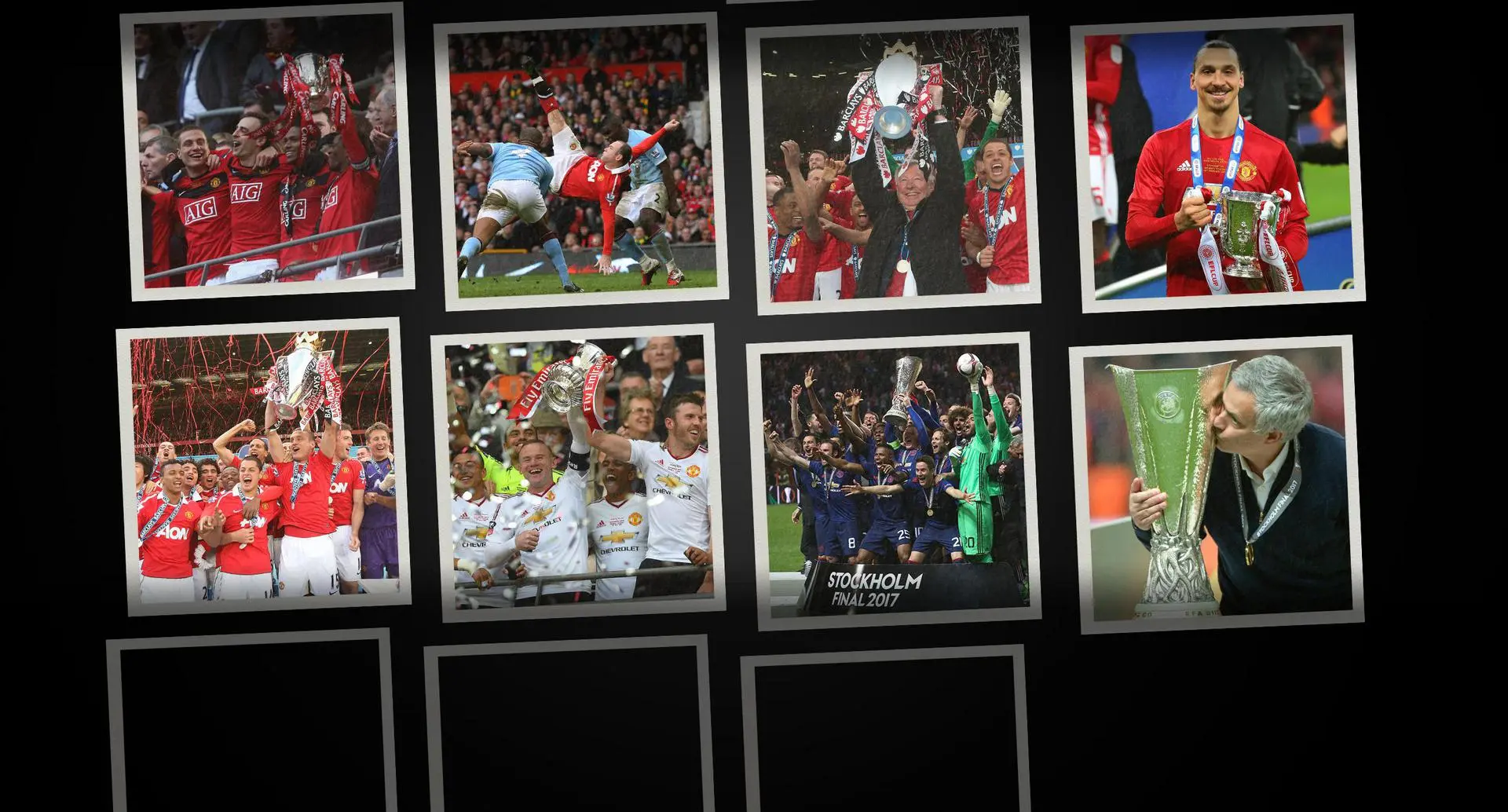
2010 onwards
Sir Alex Ferguson's final years still brought a late flurry of silverware, including a record 13th Premier League title.
However, as Sir Alex's retirement brought down the curtain on the greatest managerial reign in British football, the years that followed brought change and challenges amid an inevitable transition. Signs of renewal emerged pointing towards the next phase of the club's storied journey.